Power Up Your Lunch Hour with City‑Smart Eco Checklists

Today, we focus on Lunch‑Break Eco Checklists for Busy City Dwellers: fast, practical moves you can complete between emails and errands, turning midday pauses into measurable climate wins, healthier routines, and neighbor‑friendly habits across dense urban life. Grab your fork, your refillable bottle, and ten mindful minutes; we’ll help you stack tiny choices that add up to cleaner air, lighter waste bins, and a more resilient city block—without sacrificing taste, convenience, or precious afternoon energy.

Choose a Planet‑Friendly Plate

Where possible, choose plant‑forward meals, seasonal produce, and locally prepared options that minimize transport miles and packaging. Ask vendors for compostable containers only if you cannot use your own. Favor legumes, grains, and hearty vegetables that keep you full longer, reducing snack runs and incidental waste. Track favorites that balance flavor, price, and footprint so choices become automatic, not stressful decisions.

Refill, Refuse, and Reuse on the Go

Carry a compact, lightweight kit: collapsible cup or mug, metal or bamboo utensil, cloth napkin, slim container, and a tiny bottle for sauces. Refill water instead of buying plastic, decline single‑use extras at checkout, and keep spares in your desk. These habits save money, reduce litter, and quietly normalize better options for coworkers who notice and often emulate consistent behavior.

Move Smarter Between Cafés and Corners

Your lunch hour is perfect for low‑carbon movement experiments that improve fitness and time certainty. Map two or three routes that prioritize protected lanes, shade, and safe crossings. Keep rain gear, lights, and reflective bands ready. Shift errands within a compact radius to reduce ride‑hail temptation. Over weeks, your body learns the rhythm, commuting stress falls, and sustainable choices become the simple, default ones.

Office Habits That Quietly Cut Emissions

Workday routines often hide energy drains. Target digital and print behaviors that quietly consume resources without adding value. Start by standardizing settings, then codify a short checklist near your monitor. When habits are shared across a pod or team, the cumulative difference rivals major equipment upgrades at a fraction of the cost, while also making future onboarding smoother and greener.

Lean Digital: Lighter Files, Fewer Watts

Compress images, replace bulky attachments with shared links, archive old threads, and set devices to automatic sleep. Dark mode on OLED screens saves measurable power, while battery‑saver profiles extend laptop life and reduce midday charging. Schedule big downloads for off‑peak home Wi‑Fi. Clean desktops weekly to improve focus, and close redundant tabs that tax processors and heat offices unnecessarily.

Print Like an Environmental Editor

Default to duplex printing, grayscale, and eco‑fonts that use less ink without sacrificing readability. Shrink margins, preview carefully, and batch jobs to avoid warm‑up cycles. Consider QR codes for menus, agendas, or posters instead of multiple pages. Save misprints as scrap notes. Post a tiny sign above the printer reminding everyone to ask, “Do we need paper for this purpose?”

Find Urban Nature, Even Next to a Crosswalk

Green moments exist in alleys, rooftops, and curbside pockets. Use lunch breaks to reconnect with the living city, lowering stress while supporting biodiversity. Micro‑observations train your eye to notice pollinators, soil, and seasonal shifts, informing smarter planting and purchasing choices. These rituals also anchor difficult workdays, helping you return clearer, kinder, and more present to afternoon conversations and decisions.

Pocket Biodiversity Scouting

Open a citizen‑science app and log plants, birds, and insects within a single block. Count pollinators on a flowering strip for five minutes and compare weekly. Photograph before and after when weeds are replaced by natives. Share findings with your facilities team to advocate for pesticide‑free maintenance. The practice deepens place attachment and amplifies local ecological stewardship.

Grow Edibles on a Windowsill

Use mason jars, recycled yogurt cups, or rail planters to grow herbs and microgreens that thrive in limited light. Label sowing dates, water lightly, and rotate trays weekly for even growth. Share cuttings with coworkers, and host a tiny tasting of basil or mint at the end of the month. Fresh leaves upgrade lunches while teaching patience and seasonality.

Five‑Minute Community Garden Boost

Many gardens welcome drop‑in help. Spend ten minutes watering, topping mulch, or tidying a path, then sign the volunteer sheet to hear about weekend plantings. Ask what crops need harvesting; take a small share if offered. The micro‑volunteer model fits crowded calendars yet builds friendships, food awareness, and confidence to propose greener uses for underutilized spaces at work.

Build a Compact Reuse Kit

Keep a fork‑spoon combo, chopsticks, compact napkin, slim container, straw, and tiny condiment bottle in a pouch that fits any bag. Wash quickly with a drop of soap and air‑dry at your desk. Replace lost pieces with thrifted spares. The kit eliminates impulse plastics, allows leftovers without extra packaging, and often earns appreciative discounts or smiles from staff who notice.

Order Smarter, Package Lighter

When ordering, uncheck disposable cutlery, straws, and extra napkins, and add a note requesting minimal packaging. Consolidate group orders to reduce trips and bags. Prefer durable containers with deposit systems when available. For in‑person pickup, carry your container and ask staff to portion sauces carefully. Kind, consistent requests nudge shops to adjust defaults and train new employees accordingly.

Sort Like a Local Pro

Study your city’s sorting poster and keep a photo on your phone. Practice edge cases—oily cardboard, black plastics, compostable liners—and decide ahead of time. If your building lacks organics collection, coordinate a pilot with property management or a neighboring business. Clear labels above bins reduce confusion, prevent odors, and keep custodial teams supportive of expanded, cleaner streams.

Multiply Impact with Colleagues and Neighbors

{{SECTION_SUBTITLE}}

Start a Two‑Person Lunchtime Challenge
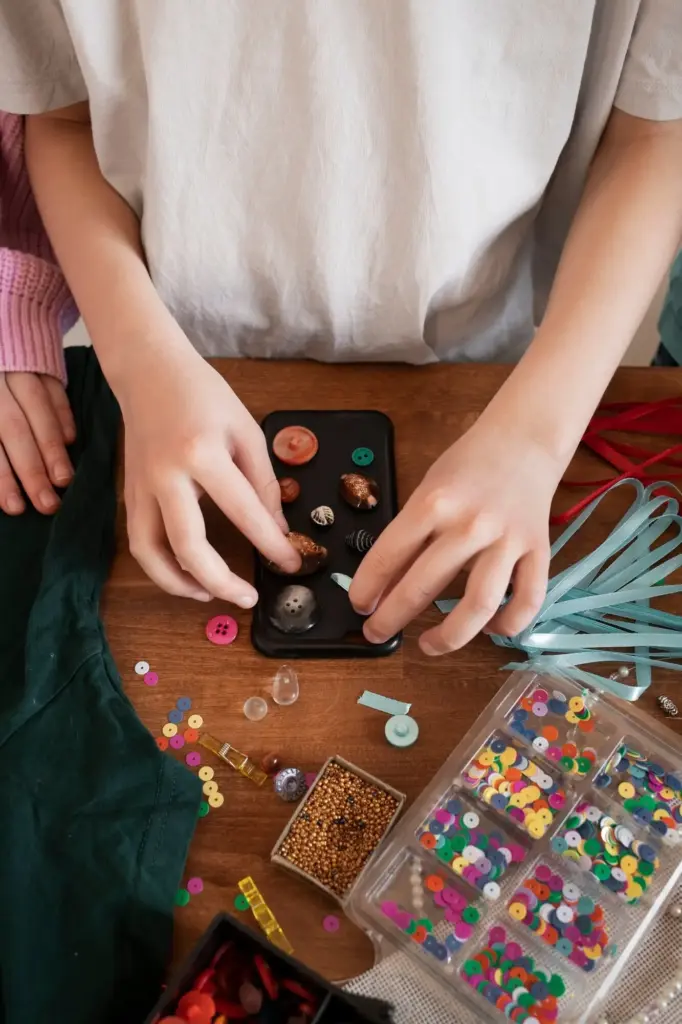
Agree on tiny daily actions—plant‑based lunch on Mondays, refill‑only beverages on Tuesdays, walking routes on Wednesdays—and track with emojis in a chat thread. Keep commitments flexible for sick days or weather. Share quick photos of favorite meals or park benches. The goal is gentle momentum that survives busy weeks, not perfection. After a month, invite two more people.

Make Wins Visible with Micro‑Dashboards

Create a simple spreadsheet or whiteboard tallying disposable cups avoided, miles walked, or e‑waste drops. Post weekly snapshots in a shared channel, tagging cafés and community centers that helped. Celebrate milestones with a potluck or refill‑shop visit. Visible numbers encourage managers to sponsor better bins, bike rooms, or dishwashers, translating lunchtime habits into durable workplace infrastructure improvements.
Napolutixanapulipenefu
Privacy Overview

This website uses cookies so that we can provide you with the best user experience possible. Cookie information is stored in your browser and performs functions such as recognising you when you return to our website and helping our team to understand which sections of the website you find most interesting and useful.